
function allow_json_upload($mimes) { $mimes['json'] = 'application/json'; return $mimes; } add_filter('upload_mimes', 'allow_json_upload');

9-STEP LEADER’S GUIDE

PREPARE YOUR DISTRICT FOR A POSITIVE CONSTRUCTION PROJECT EXPERIENCE

Once voters have approved the bond issue, the real work of preparing your community begins. The transition from a successful referendum to an active construction site can be jarring. How do you get your school, students, staff, and board ready for all that comes with the construction project ahead?

The importance of early communication, collaboration, and community engagement cannot be overstated. The key to keeping the process positive is clear, consistent messaging and proactive engagement. This manages expectations, minimizes disruptions and keeps your community informed at every stage of construction.

Case Study: Whiteside School District #115

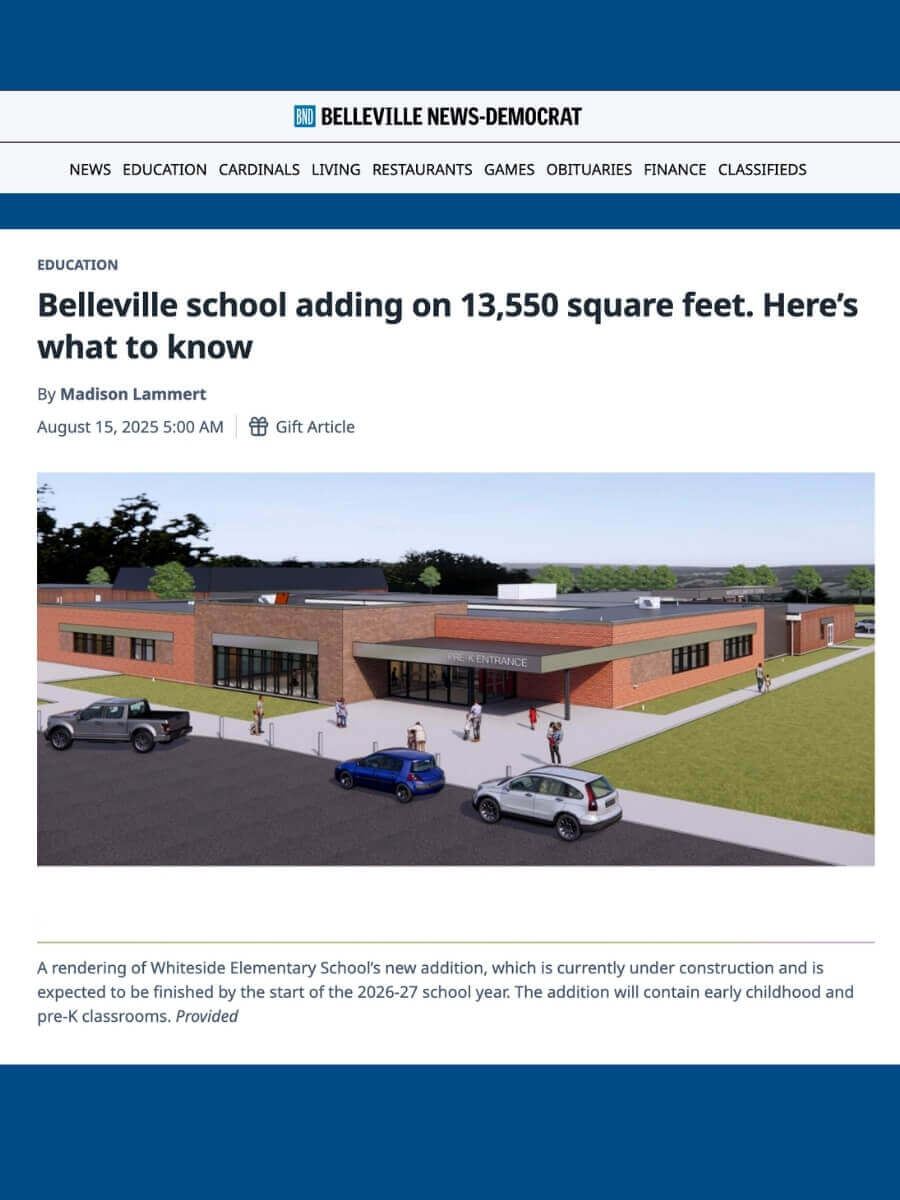
Whiteside School District #115 engaged construction manager S. M. Wilson and FGM Architects for a comprehensive expansion and renovation of the existing school facilities.

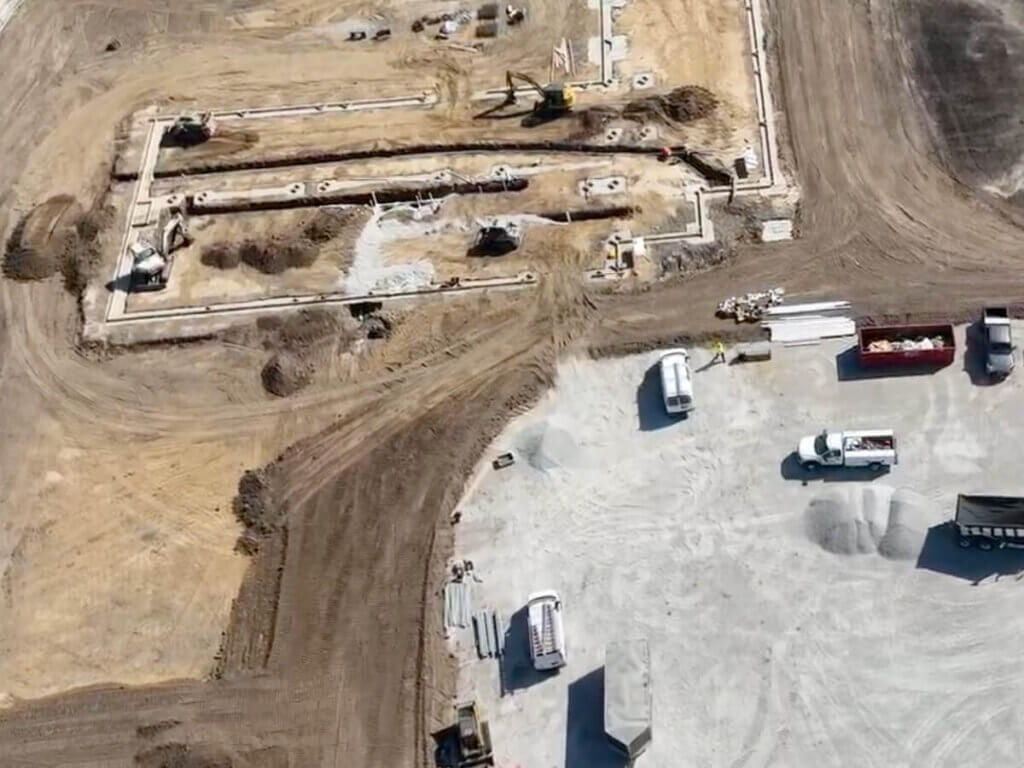
A new classroom wing was added to bring early childhood and pre-kindergarten students into the main building. The addition to new classrooms, storage facilities, restrooms, exterior work includes a new playground, and redesigned parking and drive lanes to improve traffic flow and safety. Also, the elementary school’s main entrance was renovated to enhance security.

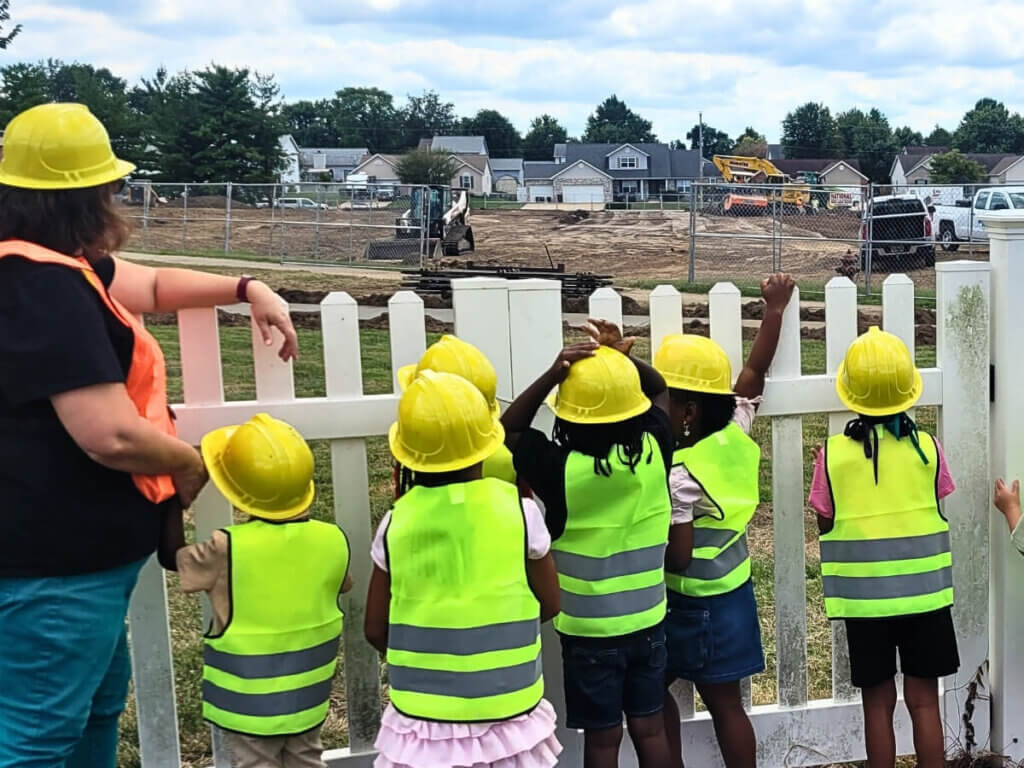
While a primary focus of the construction team is always to minimize disruption to learning, since construction had to occur while school was in session, impact to the environment and routines of staff, students, and parents would be unavoidable.

Ten months before the public would vote on the referendum, the Superintendent sent a personal letter to parents as the first announcement of the potential project.

A fact sheet made the case by outlining safety concerns with existing portable classrooms, the district’s track record of fiscal responsibility, and how the project fits within a broader initiative of academic excellence. This meant that, on day one, the need for the project and support was well established. 
Once voters have approved the bond issue, the real work of preparing your community begins. The transition from a successful referendum to an active construction site can be jarring. How do you get your school, students, staff, and board ready for all that comes with the construction project ahead?

The importance of early communication, collaboration, and community engagement cannot be overstated. The key to keeping the process positive is clear, consistent messaging and proactive engagement. This manages expectations, minimizes disruptions and keeps your community informed at every stage of construction.

Case Study: Whiteside School District #115

Whiteside School District #115 engaged construction manager S. M. Wilson and FGM Architects for a comprehensive expansion and renovation of the existing school facilities.

A new classroom wing was added to bring early childhood and pre-kindergarten students into the main building. The addition to new classrooms, storage facilities, restrooms, exterior work includes a new playground, and redesigned parking and drive lanes to improve traffic flow and safety. Also, the elementary school’s main entrance was renovated to enhance security.

While a primary focus of the construction team is always to minimize disruption to learning, since construction had to occur while school was in session, impact to the environment and routines of staff, students, and parents would be unavoidable.

Ten months before the public would vote on the referendum, the Superintendent sent a personal letter to parents as the first announcement of the potential project.

A fact sheet made the case by outlining safety concerns with existing portable classrooms, the district’s track record of fiscal responsibility, and how the project fits within a broader initiative of academic excellence. This meant that, on day one, the need for the project and support was well established. 
Once voters have approved the bond issue, the real work of preparing your community begins. The transition from a successful referendum to an active construction site can be jarring. How do you get your school, students, staff, and board ready for all that comes with the construction project ahead?

The importance of early communication, collaboration, and community engagement cannot be overstated. The key to keeping the process positive is clear, consistent messaging and proactive engagement. This manages expectations, minimizes disruptions and keeps your community informed at every stage of construction.

Case Study: Whiteside School District #115

Whiteside School District #115 engaged construction manager S. M. Wilson and FGM Architects for a comprehensive expansion and renovation of the existing school facilities.

A new classroom wing was added to bring early childhood and pre-kindergarten students into the main building. The addition to new classrooms, storage facilities, restrooms, exterior work includes a new playground, and redesigned parking and drive lanes to improve traffic flow and safety. Also, the elementary school’s main entrance was renovated to enhance security.

While a primary focus of the construction team is always to minimize disruption to learning, since construction had to occur while school was in session, impact to the environment and routines of staff, students, and parents would be unavoidable.

Ten months before the public would vote on the referendum, the Superintendent sent a personal letter to parents as the first announcement of the potential project.

A fact sheet made the case by outlining safety concerns with existing portable classrooms, the district’s track record of fiscal responsibility, and how the project fits within a broader initiative of academic excellence. This meant that, on day one, the need for the project and support was well established. 

1. ESTABLISH COMMUNICATION FOUNDATIONS

The solid foundation for a successful construction program is not a single tactic, but layers of proactive communication strategies. First and foremost, your community must know where to look for up-to-date information and timely updates. 

Your first order of business is to create a single source of information. Create a dedicated webpage that links to the main menu of the district website and also the websites for the schools and district facilities that are included in the project.

Next, establish a robust schedule of proactive project updates. The key is consistency. A reliable rhythm of communication establishes trust and should start before the first shovel hits the dirt and continue through the official opening. 

Make sure to inform the school community before any direct impact to routines or the learning environment, such as changes to the pickup location or process. 


To reach the largest audience, share the updates across the school’s multiple channels — parent and staff newsletters, social media posts and perhaps even handouts sent home with students.  Always refer people back to the central webpage hub of information. 


Case Study: Communications Hub

Whiteside Elementary School created a simple webpage that was easily accessible on the main menu of the school district website. There, website visitors could access core project information and a library of communications also sent to district parents and community members through various channels. All of the past updates were kept on the page throughout the process. When viewed as a whole, the historical communications record illustrates the district’s commitment to transparency and allows visitors to catch up on any missed news.

2. FOSTER COLLABORATION ACROSS STAKEHOLDERS

Collaboration is the engine of a smooth construction project.

The community needs to hear a single, consistent message. The way to achieve this is for the core project group to operate as a unified team and meet regularly to align on messaging, anticipate upcoming milestones, share any community concerns, and establish clear, simple talking points. 

When the district office, the principal, the architect, and the general contractor all say the same thing, it presents a stable, organized project, which instills confidence. 

Case Study: Collaboration

Whitseside’s suite of resources and project updates demonstrates the team’s collaboration dating back to when the referendum was first announced. Front-facing documents included a message from the superintendent, a printable factsheet and a slideshow of “before” photos that, without words, make a compelling case for the needed renovations. S. M. Wilson also created a Whitside Elementary microsite and posted photos and a summary of progress for each month of construction.

3. ENGAGE THE COMMUNITY EARLY

Create simple mechanisms for two-way dialogue and in-person contact, such as low-stakes “meet the builder” events and by speaking at PTO and school board meetings. This gives you the opportunity to set expectations and frame situations as shared challenges to be navigated together. 

Facilitating dialogue allows you to address concerns early and identify early patterns that indicate a shift in sentiment or areas of confusion that require additional messaging.

Case Study: Community Engagement

The community was invited to tours, and the invitations were publicly available on the website. These invites were provided in a PDF format, so they could both be shared digitally and as a printed handout or flyer to post at physical locations. S. M. Wilson also created a Whitside Elementary microsite and posted photos and a summary of progress for each month of construction.

4. PRACTICE PROACTIVE PROBLEM-SOLVING

The best problem-solving strategies are proactive, not reactive. Look at the project schedule from the perspective of your school community.

>> Will construction coincide with final exams or school events?

>> Will a major delivery block the bus lane during dismissal? 

By identifying these conflicts in advance, you can work with your construction and design partners to develop solutions, such as rescheduling noisy work or creating alternate traffic flow plans.

Communicating solutions before they become a problem demonstrates competence and care, and allows for the smoothest possible management of the disruption.

5. CUSTOMIZE COMMUNICATIONS TO THE AUDIENCES

Schools have multiple, very different types of stakeholders, each with unique concerns and different pathways to connect with them. A one-size-fits-all message is not sufficient. Identify the various stakeholders and the best way to communicate with them: Customize your communication must be customized to address them.

  1. Students:
    Need to know how their daily path to class or recess will change. Use visuals, maps, and in-school announcements.

  2. Parents:
    Are primarily concerned with safety and logistics. Use email, parent-teacher organizations, and the district website to communicate traffic patterns, drop-off changes, and safety protocols.

  3. Staff:
    Need the most detailed information. They are on the front lines and will receive questions from students and parents. Equip them with a weekly “look-ahead” email, so they feel informed and prepared.

  4. Wider Community:
    Taxpayers and neighbors want to see progress and know their investment is being handled responsibly. Share milestone photos on social media and in local news.

Case Study: Audience Communication Strategies

Project communications extended beyond the school community by S. M. Wilson distributed a news release about the project to inform the broader community through local media stories.

This is a great way to reach important school stakeholders who won’t see the internal communications such as homeowners whose real estate taxes support schools and referendum voters.

In addition, an article published about the project by a trusted external source adds credibility and creates great content to share on social media and other school channels. Whiteside posted a link to an article on the project webpage. S. M. Wilson also created a Whitside Elementary microsite and posted photos and a summary of progress for each month of construction.

6. BUILD TRANSPARENCY & TRUST

All the advance planning and phased scheduling, won’t eliminate every impact to occupants when building in an active space. Plus, construction projects are inherently complex, so you can’t control every variable that could necessitate shifts from the original plan. 

How do you remain transparent while maintaining support for the project? The answer is to over-communicate with context.  

Never conceal an issue and provide enough details to avoid confusion and frustration. Connect the “pain” (the disruption) to the “gain” (the new facility), to remind the community of the shared goal and reinforce that the inconveniences are temporary and for a good cause.

For example, don’t simply share that “The west parking lot will be closed on Monday.” Instead, add context and frame it as a sign of progress. “To allow our crews to safely install the steel beams for your new science wing, the west parking lot will be closed on Monday. This is a major milestone! Please use the east lot for drop-off.”

If you’ve followed all the other recommended steps, that consistent, transparent communications has likely built a bank of trust that you may need to lean on if unforeseen circumstances like conditions concealed until walls are taken down or extended harsh weather cause a project delay or schedule change that has to be communicated on shorter notice. 

7. MANAGE SAFETY ON OCCUPIED CAMPUSES

Nothing is more important on an occupied campus than the safety of students and staff. A multi-layered plan of security protocols and communications must be developed. This should include: 

Site Security:
This includes robust fencing, clear signage, and a system for badging all construction workers who will be on-site.

Traffic Flow:
Clearly map out separate paths for student/staff movement and construction vehicle access. Use physical barriers, not just tape, to define these zones. Make sure signage is straightforward and visible for student dropoff and pickup. 

Noise Control:
Work with your construction manager to schedule the loudest activities, such as drilling or demolition, outside of instructional hours, whenever possible. Make special note of the school calendar for events and standardized testing weeks when the school may need a pause in all construction activities altogether or in certain areas. 


8. HANDLE PUSHBACK CONSTRUCTIVELY

Even with the best plan, you will encounter concerns and resistance. The key is to treat every piece of pushback as an opportunity to listen and educate. Never be defensive. When a community member expresses concern, listen fully. Often, they simply want to be heard, so  address their specific issue constructively. Is there a misunderstanding you can clear up? Is it a valid point you hadn’t considered? By treating concerns with respect, you can often turn a critic into an informed supporter.

9. MEASURE YOUR ENGAGEMENT SUCCESS & CELEBRATE THE PROJECT COMPLETION WITH YOUR COMMUNITY

How do you know if your strategies are working? There are many ways to evaluate your communications effectiveness that are neither complicated nor expensive.

You can:

  • Use simple, free tools like website analytics to see if your “construction updates” page is being visited.
  • Monitor social media comments and parent email inboxes. Are you seeing fewer questions over time? Are the questions becoming more specific and less anxious?
  • Most importantly, get out and ask questions specifically about communication. Attend a staff meeting or PTO meeting and ask, “How are we doing with communication? What more do you need to know?

Direct feedback is invaluable and allows you to adjust your plan in real-time, ensuring everyone remains informed and supportive until the project is complete. It also informs future project communications.

Also, make sure to celebrate the project completion with an event like a ribbon-cutting or community tour and by sharing finished photos. 

A school renovation or new school construction truly is a community effort and a community asset. Celebrating the shared accomplishment and new community asset solidifies the trust of voters that you’ll need the next time you put a referendum on the ballot.  

Case Study: Celebration

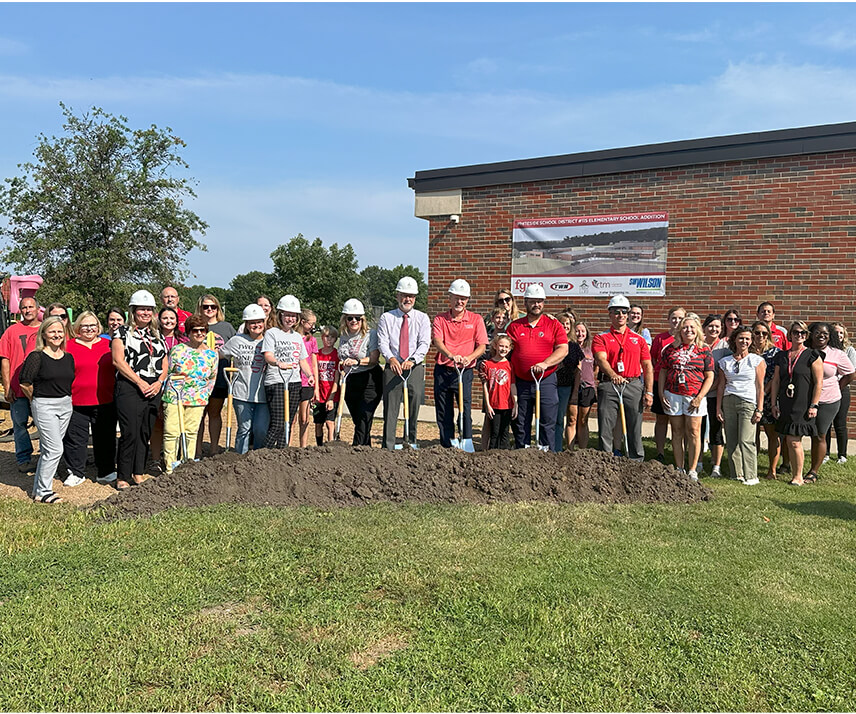
Whiteside School District and the construction project team hosted events, including a groundbreaking, to celebrate milestones.

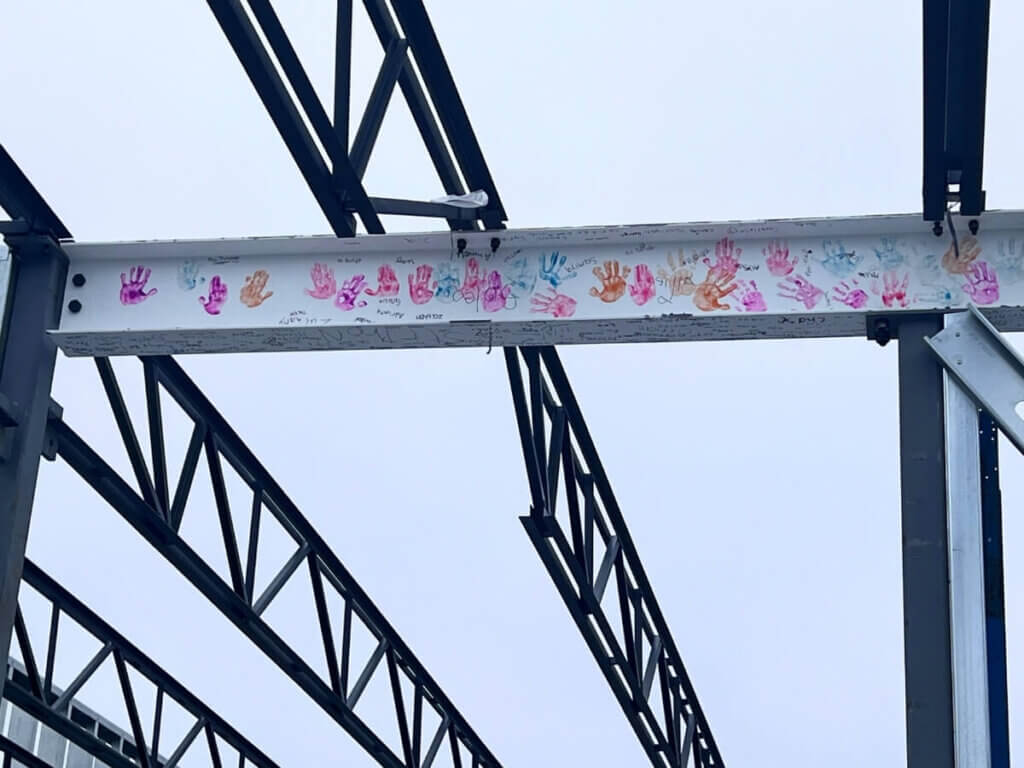
Children were also able to leave their mark on the Early Childhood Center by leaving handprints on the final beam before it was placed.

This article is based on the key takeaways from the “Preparing your Board and your Community for Construction” panel, featuring district officials, design partners and construction professionals from S. M. Wilson & Co., FGM Architects and Whiteside School District #115. 

Using the recent successful referendum and community engagement process for Whiteside School District as a case study on essential steps to prepare a community for an upcoming construction program, regardless of its size.